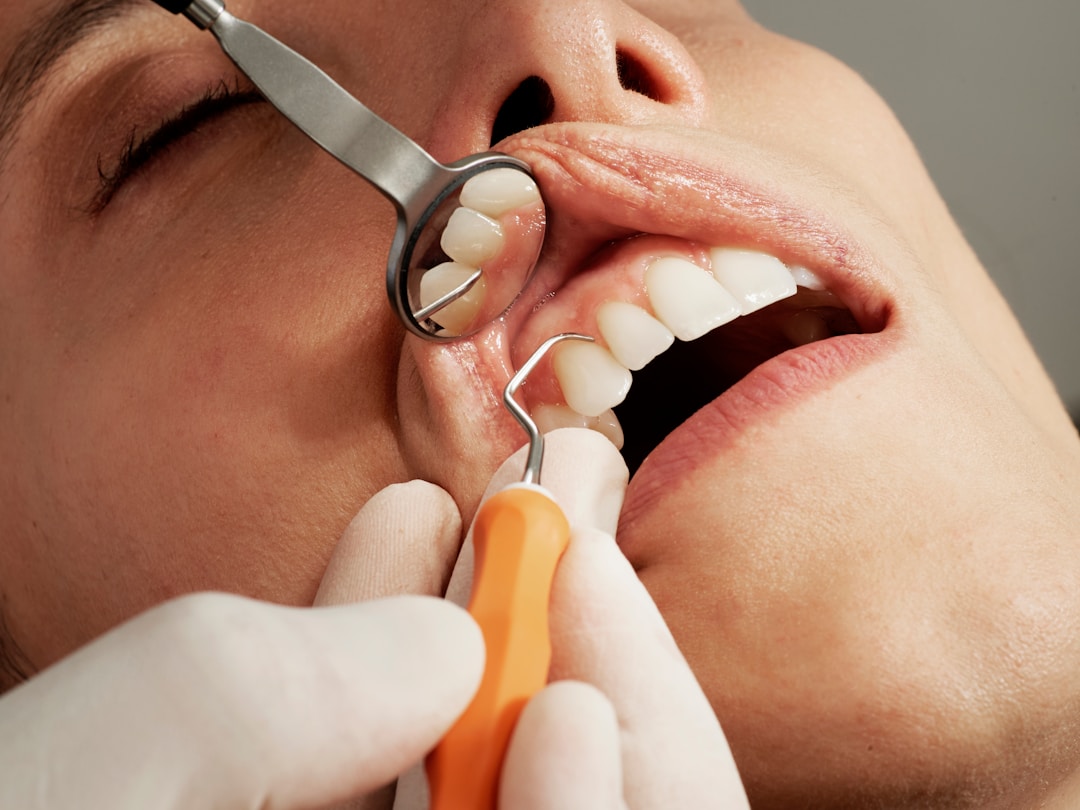
ORAL SURGERY
Wisdom Tooth Assessment & Removal
Careful assessment of troublesome or impacted wisdom teeth, with removal recommended when there is a clinical reason to do so.
Do all wisdom teeth need to be removed?
No. Wisdom teeth that are healthy, functional and not causing disease may simply be monitored. Removal is considered when examination and, where appropriate, imaging show a problem or a meaningful risk that warrants treatment.

Reasons for assessment include
- Pain or recurrent swelling at the back of the mouth
- Repeated inflammation or infection around a wisdom tooth
- Decay affecting the wisdom tooth or neighbouring tooth
- An impacted or partly erupted tooth that is causing problems
- Other changes identified clinically or on appropriate imaging
What happens if removal is needed?
Assessment. We evaluate the tooth and surrounding structures and determine whether imaging is required.
Planning. We explain the procedure, anaesthesia, relevant risks and expected recovery.
Removal. The technique depends on the tooth’s position and whether it is fully erupted or impacted.
Aftercare. You receive instructions for protecting the healing area and managing normal post-treatment symptoms.
Recovery after wisdom tooth removal
Some soreness, swelling and limited jaw opening can occur after removal, particularly after surgical extraction. Recovery varies with the complexity of the procedure. Follow the aftercare instructions provided and contact the clinic if you have concerns such as worsening pain, persistent bleeding, increasing swelling or other unexpected symptoms.