Author: Jaxons

  • Investing in Excellence: Why Our Dental Equipment Matters

    Investing in Excellence: Why Our Dental Equipment Matters

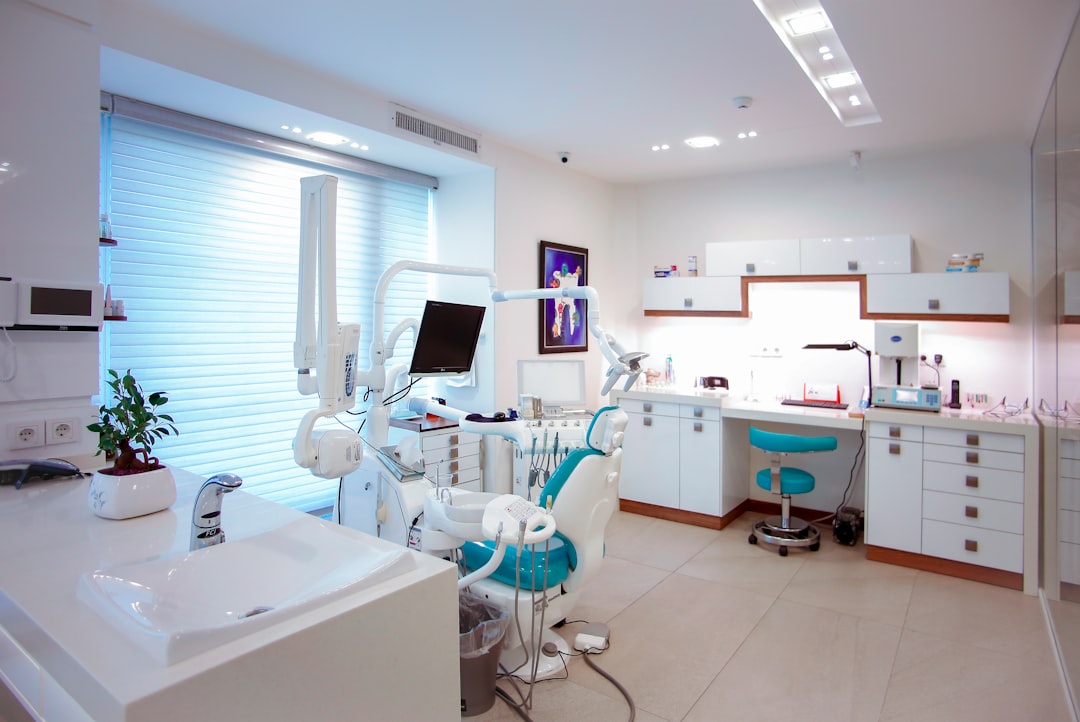
    Good dental care depends on clinical judgement, careful technique and the right tools. At Jesus Is The Answer Dental Clinic, our equipment is selected to support accurate assessment, safe treatment and a more comfortable experience for our patients.

    Why dental equipment matters

    Technology does not replace the dentist; it helps the dental team see more clearly, work more precisely and make informed treatment decisions. Depending on the procedure, appropriate equipment can support diagnosis, treatment planning, infection prevention and patient comfort.

    Clearer assessment and treatment planning

    A thorough clinical examination is always the starting point. When additional information is needed, dental imaging such as X-rays can help the dentist assess areas that cannot be fully evaluated by sight alone. This can be particularly useful when investigating decay, roots, bone levels or planning certain treatments.

    Safety and infection control

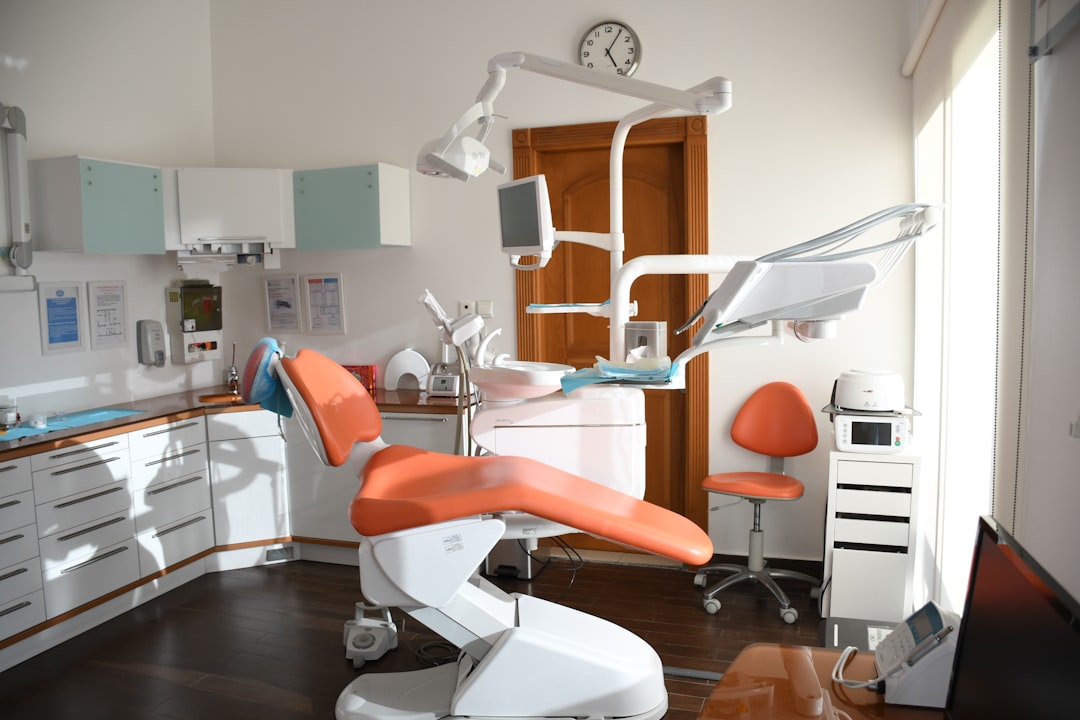
    Good dentistry also depends on disciplined cleaning, disinfection and sterilisation procedures. Appropriate equipment and well-defined protocols help the clinical team maintain a hygienic environment between patients and throughout treatment.

    A more efficient patient experience

    Well-maintained dental equipment can make procedures more efficient and help the clinical team work with greater control. For patients, that can mean clearer explanations, smoother appointments and treatment delivered with attention to comfort.

    What this means for you

    • More informed assessment and treatment planning
    • Strong infection-control practices
    • Efficient, carefully delivered procedures
    • A clinical environment designed around safety and comfort

    Equipment is only one part of excellent dentistry. What matters most is how it is used: with sound clinical judgement, clear communication and treatment recommendations tailored to the individual patient.

    Have a question about your dental care?

    If you would like to understand an examination, X-ray or recommended treatment, our team can talk you through the next step.

  • Bad Breath: What Your Mouth Might Be Telling You

    Bad Breath: What Your Mouth Might Be Telling You

    Bad breath happens to everyone occasionally. But when it persists despite brushing, flossing and normal oral hygiene, it may be worth looking more closely at what is happening in the mouth.

    What can cause persistent bad breath?

    Many cases begin with bacteria and food debris around the teeth, tongue or gums. Other possible contributors include gum disease, tooth decay, dry mouth, smoking, certain foods and some medicines. Occasionally, persistent bad breath can have a cause outside the mouth, which is why an assessment can be useful when the problem does not settle.

    Plaque and gum health

    Plaque that remains around the gumline can irritate the gums and contribute to unpleasant odour. Bleeding, swelling or tenderness around the gums are additional reasons to arrange a dental assessment.

    Dry mouth

    Saliva helps cleanse the mouth. When the mouth is unusually dry, odour-producing bacteria may become more noticeable. Hydration, medicines and underlying health factors can all influence dry mouth.

    What you can do

    • Brush thoroughly twice a day with fluoride toothpaste.
    • Clean between the teeth daily using floss or another suitable interdental aid.
    • Gently clean the tongue.
    • Drink enough water and address persistent dry mouth with professional advice.
    • Keep up with appropriate dental examinations and professional cleaning.

    When should you see a dentist?

    If bad breath persists despite good oral hygiene, or if it comes with bleeding gums, pain, swelling, loose teeth or another dental concern, a dental examination can help identify whether there is an oral cause that needs treatment.

    Concerned about persistent bad breath?

    We can assess your teeth and gums and discuss whether professional cleaning or another treatment may be appropriate.

  • How to Know You Have a Great Dentist: 7 Signs to Look For

    How to Know You Have a Great Dentist: 7 Signs to Look For

    Choosing a dentist is about more than convenience. You are trusting someone with your oral health, so it is reasonable to expect professional standards, clear communication and care that respects you as an individual.

    Seven signs of thoughtful dental care

    1. They take time to listen

    Your concerns, symptoms, previous experiences and treatment goals matter. A good consultation should give you enough space to explain what brought you in and ask questions.

    2. They explain findings and options clearly

    You should understand what the dentist has found, why treatment may be recommended, what alternatives exist where appropriate and what to expect next.

    3. The clinic takes hygiene and infection control seriously

    A clean, organised clinical environment and appropriate instrument processing are fundamental parts of safe dental care.

    4. Recommendations are based on your needs

    Treatment should have a clear clinical or patient-centred reason. You should feel able to ask why something is being recommended and understand the benefits, limitations and costs before deciding.

    5. Your records and progress matter

    Good continuity of care includes maintaining appropriate records, reviewing previous treatment and arranging follow-up when it is clinically useful.

    6. Communication is respectful

    Dental care can make some people anxious. A professional team should communicate respectfully, protect your privacy and take your comfort seriously.

    7. They maintain professional standards

    Dentistry continues to evolve. Clinicians should practise within their professional scope, maintain appropriate registration and keep their knowledge and skills current.

    Trust should be built, not assumed

    The right dental relationship should leave you informed and respected. If you are uncertain about a diagnosis or proposed treatment, asking questions—and seeking another professional opinion when appropriate—is reasonable.

    Looking for dental care in Nairobi CBD?

    Learn more about our approach to patient-centred dentistry or arrange a consultation with the JITADC team.

  • Why a Full Dental Checkup Could Save Your Smile

    Why a Full Dental Checkup Could Save Your Smile

    A dental checkup is more than a quick look for cavities. It is an opportunity to assess your teeth, gums and surrounding oral tissues, discuss any changes you have noticed and identify problems that may benefit from earlier attention.

    What happens during a dental checkup?

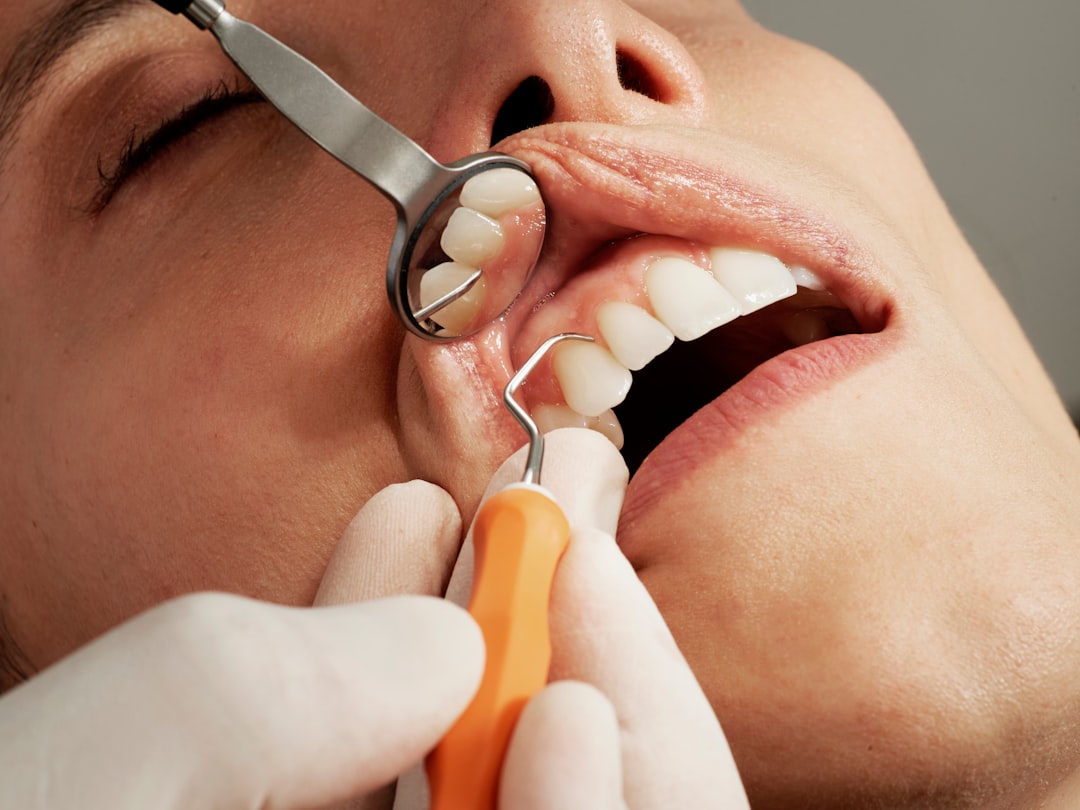
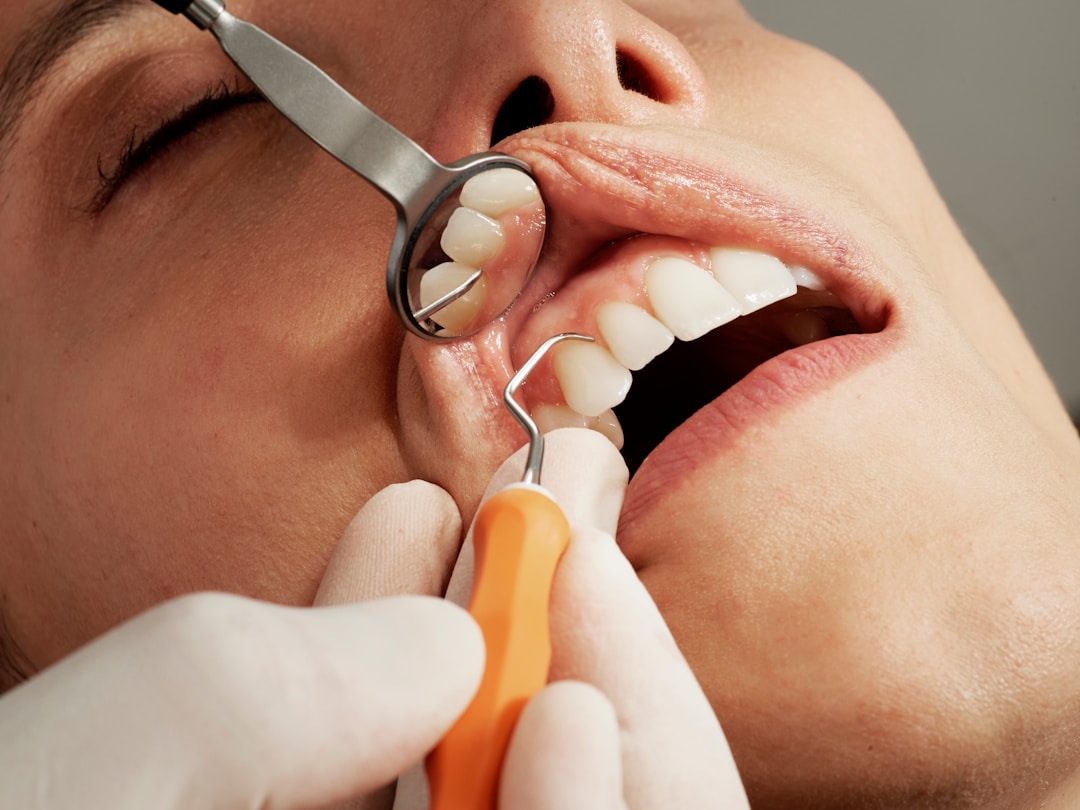
    The exact examination depends on the individual patient. It may include an assessment of the teeth and existing restorations, gum health, bite, oral tissues and areas that are causing pain or concern. Your dentist may recommend dental X-rays when they are clinically appropriate and likely to provide useful information.

    Teeth and restorations

    The dentist can look for signs of decay, cracks, wear, damaged fillings or other changes that may require monitoring or treatment.

    Gums and supporting tissues

    Bleeding, swelling and changes around the gums can be signs that additional cleaning, improved home care or further periodontal assessment is needed.

    Oral tissues

    A routine dental examination also gives the clinician an opportunity to look at the tongue, cheeks and other visible oral tissues and investigate changes that warrant attention.

    Why earlier detection matters

    Some dental problems cause few symptoms in their early stages. Finding an issue earlier can sometimes allow for simpler management and helps you make informed decisions before pain or extensive damage develops.

    How often should you have a checkup?

    There is no single interval that is right for everyone. Your dentist can recommend a recall schedule based on your oral health, previous dental history, risk factors and current treatment needs. Some patients benefit from more frequent review than others.

    Between appointments

    • Brush twice daily with fluoride toothpaste.
    • Clean between your teeth regularly.
    • Pay attention to persistent pain, swelling, bleeding or changes in your mouth.
    • Seek dental advice rather than waiting for a routine visit if something concerns you.

    Due for a dental checkup?

    Our team can assess your oral health, explain what we find and discuss an appropriate next step with you.